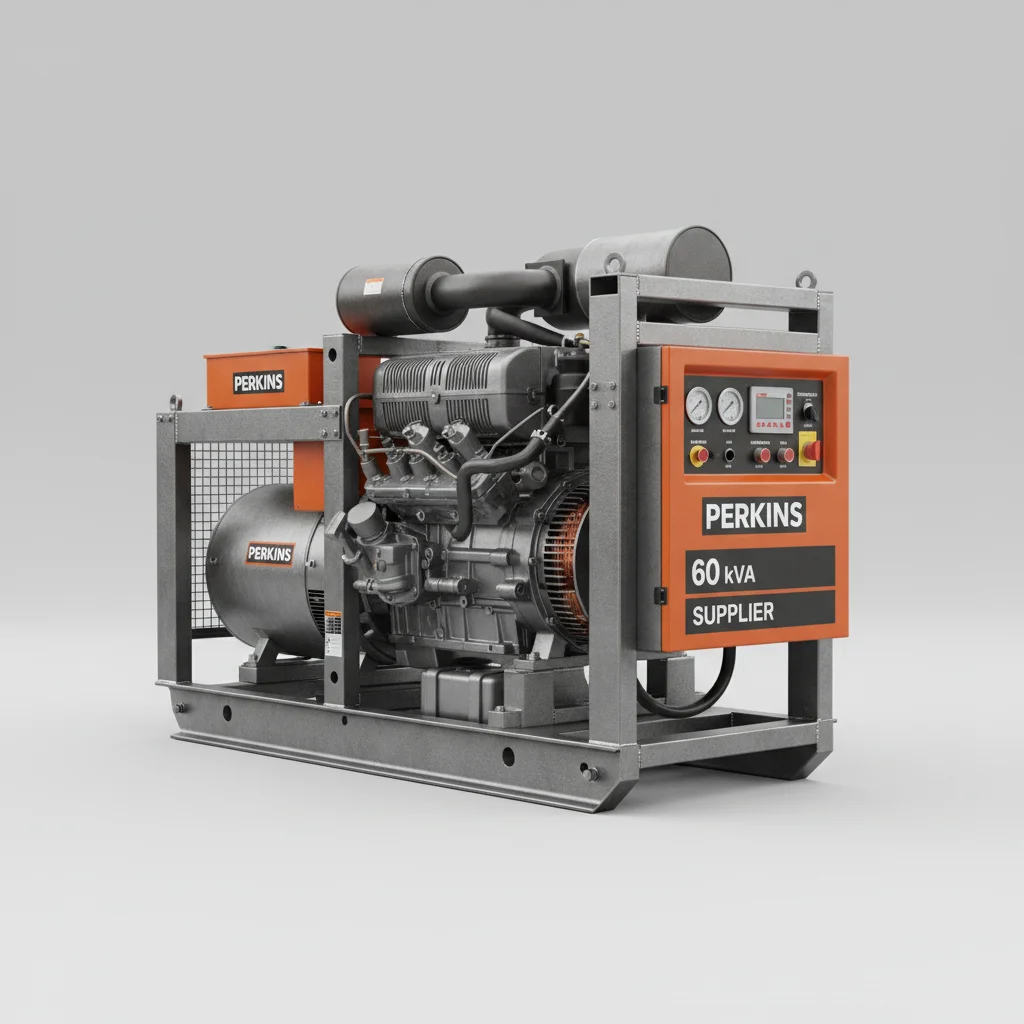
Selecting a dependable power source for mid-range industrial loads often leads procurement teams to evaluate the specific capabilities of a cummins 50kw generator Supplier. For facilities where power stability is non-negotiable, the balance between fuel efficiency and peak load endurance determines the overall operational uptime. Whether it is for a remote telecommunications hub or a commercial backup system, the technical precision of the engine platform directly impacts the reliability of the entire electrical infrastructure.
The critical nature of this power bracket lies in its versatility; a 50kW unit is often the pivot point between small portable sets and massive industrial plants. When integrating these systems with other categories like Silent Diesel Generators or Natural Gas Generators, users must prioritize the engine's ability to handle inductive motor starts without frequency drops. This is where the structural integrity of the Cummins engine—characterized by reinforced cylinder blocks and precision-forged crankshafts—provides a strategic advantage over generic alternatives.
Understanding the nuances of prime power versus standby operation is essential for maximizing the return on investment for your energy assets. By analyzing the technical synergy between advanced electronic control systems and heavy-duty alternators, businesses can secure a baseline of power that eliminates unexpected downtime. This guide explores the technical specifications and procurement logic required when partnering with a professional cummins 50kw generator Supplier to ensure long-term industrial resilience.


At the core of a 50kW system is the synergy between the combustion engine and the alternator. For Cummins-powered units, this involves a precision-engineered fuel injection system that ensures stable voltage and frequency output even when the load fluctuates rapidly. The use of a reinforced cylinder block structure allows the engine to withstand prolonged continuous prime operation, which is essential for industries that cannot afford a single second of power loss.
The electronic control layer, often utilizing systems like PowerCommand, enables full-stack monitoring and remote fault diagnostics. This architecture allows the generator to synchronize with the grid automatically and manage load distribution efficiently. By integrating high-standard brushless alternators, these systems minimize mechanical wear and maximize the duration between scheduled maintenance intervals.
Load reliability is the primary metric for any industrial power asset. In 50kW configurations, the ability to handle massive inductive motor starts without catastrophic voltage dips is what separates professional-grade equipment from commercial units. This is achieved through efficient turbocharging technologies and precise governor controls that maintain frequency stability under severe load impacts.
The integration of EPA Tier 4 Final and EU Stage V compliant engines ensures that high-power output does not come at the cost of environmental sustainability, reducing the operational footprint of the facility.
Furthermore, the thermal management system plays a decisive role in longevity. High-capacity cooling arrays prevent engine overheating during continuous base-load operation in extreme high-altitude or high-temperature environments. When these factors are combined with a global parts network, the total cost of ownership is significantly reduced through minimized unplanned downtime.
The true value of a professional power system is realized during peak stress events. For data centers or healthcare hubs, the "time-to-load" is a critical KPI. Cummins engines are engineered for rapid response, ensuring that the transition from grid failure to full generator load happens within seconds, protecting sensitive electronic equipment from power surges or brownouts.
Reliability in this sector is defined by the "Zero-Failure Tolerance" approach, where reinforced crankshafts and precision forging eliminate the risk of mechanical fatigue during emergency prime operations.
Beyond immediate reliability, the long-term value is found in fuel economy. Advanced electronic control systems optimize the fuel-to-air ratio across a wide industrial load range, drastically reducing OpEx. This makes the 50kW bracket an ideal choice for facilities that require a permanent standby solution without incurring prohibitive monthly running costs.
When comparing different generator configurations, the focus often shifts to the balance between initial capital expenditure and lifelong operational savings. A genuine Cummins engine may command a premium price, but this is rapidly offset by superior fuel efficiency and lower maintenance requirements compared to generic industrial engines.
Analyzing the performance across different load percentages reveals that high-quality systems maintain a flatter efficiency curve, meaning they don't lose significant fuel economy when operating at 40% or 60% of their rated capacity. This flexibility is vital for facilities with fluctuating power demands.
The application of 50kW diesel generators spans various sectors, each with unique demands. In telecommunications, these units are often deployed as Mobile Silent Diesel Generators to power remote cell towers where grid access is non-existent. The priority here is acoustic limitation and fuel autonomy, ensuring the equipment can run for weeks without refueling.
In contrast, construction megaprojects utilize Open Diesel Generators for their ease of maintenance and ability to be integrated into larger parallel systems. Here, the focus is on raw durability and the ability to withstand dust, vibration, and extreme weather conditions while providing a stable power baseline for heavy machinery.
The transition toward sustainable industrial power has forced a redesign of the traditional diesel generator. Modern systems now incorporate advanced exhaust after-treatment and electronic fuel mapping to meet EU Stage V and US EPA Tier 4 Final standards. This shift ensures that industrial growth does not conflict with local environmental regulations.
Moreover, the integration of SCADA monitoring has transformed these machines from simple backup tools into intelligent energy assets. Remote diagnostics allow engineers to identify potential failures before they occur, shifting the maintenance paradigm from reactive to preventive.
The future of the 50kW bracket likely involves hybridizations, where diesel sets work in tandem with battery storage or solar arrays. This "microgrid" approach reduces the runtime of the diesel engine, further lowering emissions and extending the equipment's overall lifespan.
One of the most frequent challenges in power procurement is the mismatch between rated capacity and actual inductive load. Many buyers underestimate the startup current of HVAC systems or pumps, leading to frequency instability. Precise capacity definition is paramount to prevent catastrophic overloads during continuous industrial operation.
Another significant hurdle is the installation environment. Whether it is a container-type setup for offshore use or a silent canopy for urban areas, the physical housing must protect the engine from corrosive elements while allowing for optimal airflow. Proper installation ensures that the engine does not suffer from "derating" due to inadequate cooling.
Finally, the lack of a standardized spare parts network can turn a minor fault into a weeks-long outage. Partnering with an established manufacturer ensures immediate access to genuine components and professional technical support, which is critical for international EPC projects.
| Application Type | Recommended Housing | Key Requirement | Priority Metric |
|---|---|---|---|
| Urban Office | Silent Canopy | Noise Control | Acoustic dB Level |
| Remote Mining | Open Frame | Easy Service | Mechanical Durability |
| Data Center | Container Type | Grid Sync | Switch-over Speed |
| Telecom Tower | Mobile Silent | Fuel Range | Liters per Hour |
| Hospital Backup | Automatic Parallel | Zero Downtime | Voltage Stability |
| Construction Site | Open Frame | Portability | Load Impact Recovery |
You must calculate the total connected load and the maximum simultaneous peak load, accounting for inductive startup spikes. I recommend summing the wattage of all equipment and adding a 20% safety margin. If your peak startup current exceeds the alternator's capacity, you may need to move to a higher kVA bracket to avoid frequency drops.
Prime power is designed for continuous operation without an unlimited fuel supply, typically at 100% load for a specified number of hours per year. Standby power is intended for emergency use only during utility outages and is not meant for prolonged continuous operation. Using a standby-rated unit for prime power will significantly shorten the engine's lifespan.
Cummins utilizes advanced electronic control units (ECUs) that optimize fuel injection timing and quantity based on real-time load data. This prevents "wet stacking" (unburnt fuel in the exhaust) and ensures that the engine operates at its most efficient thermal point, even when the facility is only drawing 30-50% of the total power.
Yes, provided they are equipped with industrial-grade cooling systems and properly ventilated canopies. In extreme heat, we recommend oversized radiators; in freezing climates, block heaters are essential. The canopy protects the engine from external elements while the internal airflow design prevents heat soak during continuous operation.
Standard preventive maintenance usually occurs every 250 to 500 operating hours, involving oil and filter changes. However, for mission-critical standby units, monthly exercise runs and annual comprehensive inspections of the cooling and electrical systems are mandatory to ensure the unit starts instantly during a grid failure.
Absolutely. By using an automatic transfer switch (ATS) and a hybrid inverter, the generator can act as a tertiary power source that kicks in only when battery storage is depleted and solar production is low. This significantly reduces diesel consumption and lowers the overall carbon footprint of the installation.
Securing a reliable power baseline requires more than just purchasing a machine; it requires a strategic alignment between load requirements and engine capabilities. The Cummins 50kW platform stands out due to its reinforced mechanical structure and intelligent control systems, providing a level of reliability that is essential for modern industrial and commercial operations. By focusing on total cost of ownership and emission compliance, businesses can ensure that their power infrastructure is both resilient and sustainable.
For organizations seeking an optimized power solution, partnering with a manufacturer that provides full-lifecycle support—from capacity calibration to 24/7 technical assistance—is the most effective way to mitigate operational risk. Whether you require a silent canopy for urban use or a heavy-duty open frame for industrial sites, exploring the tailored configurations at https://www.dbdgenerator.com can provide the clarity needed to make an informed investment in your facility's energy future.

Hit enter to search or ESC to close