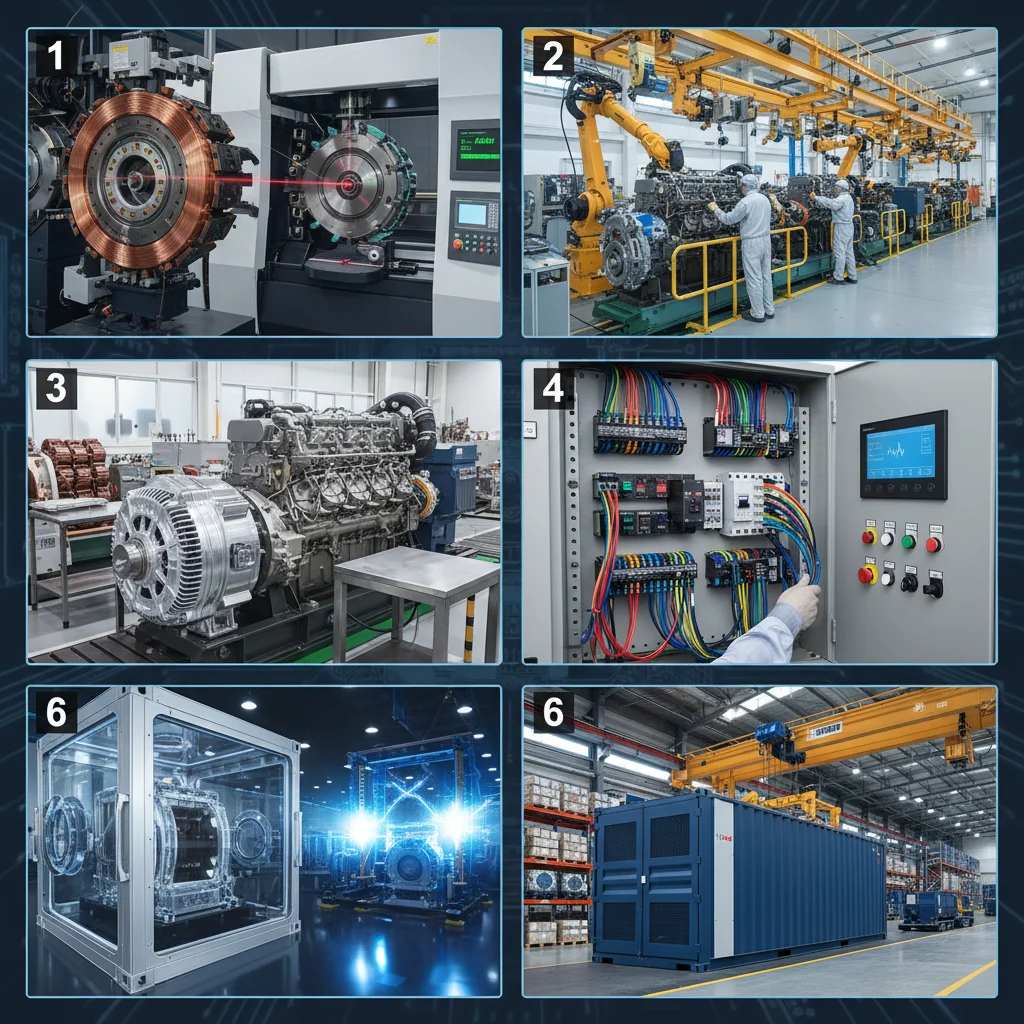
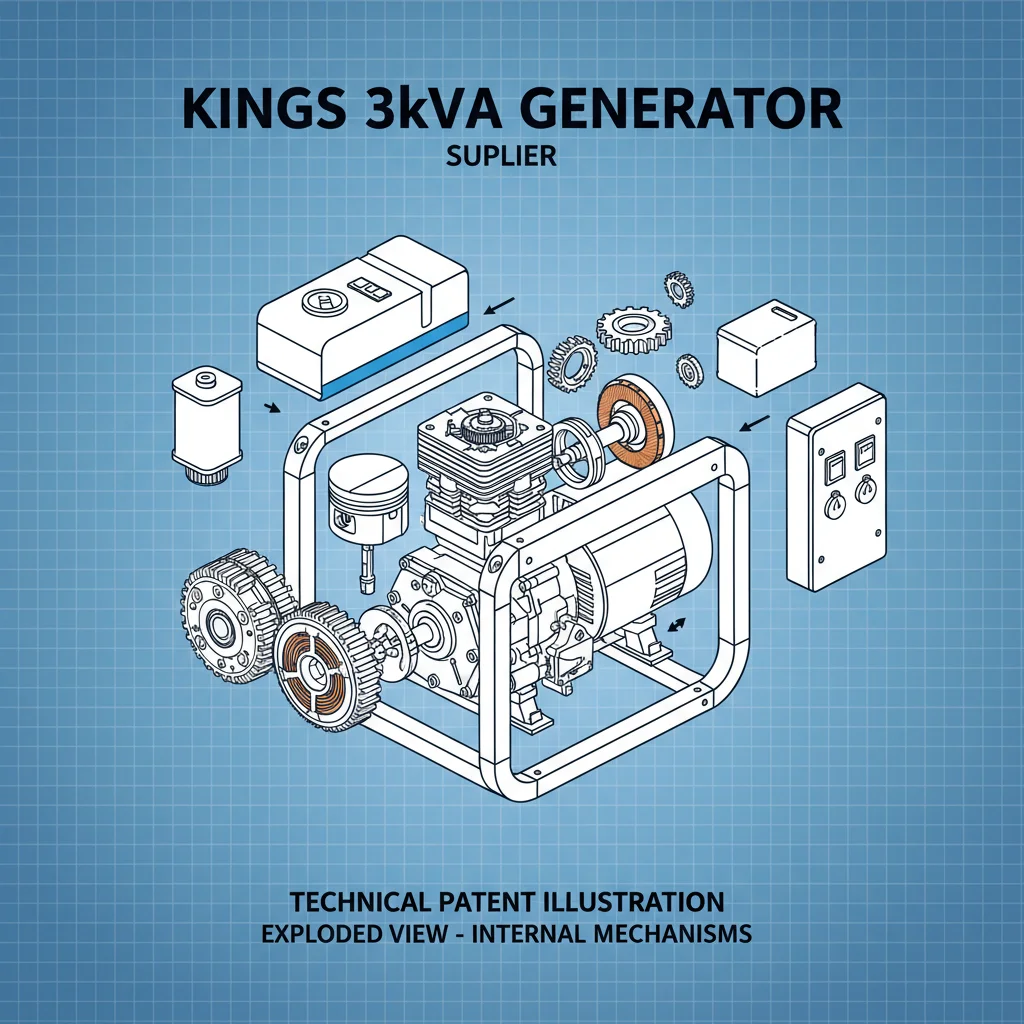
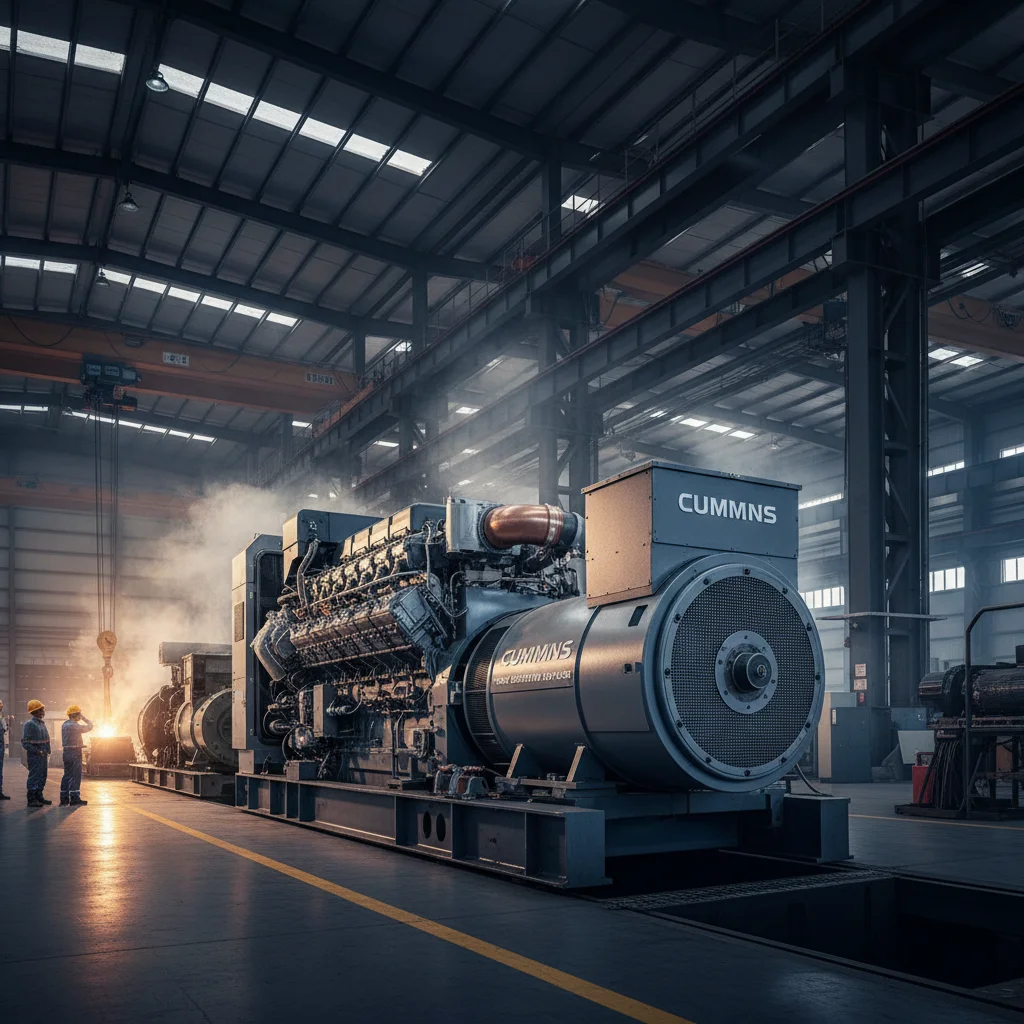
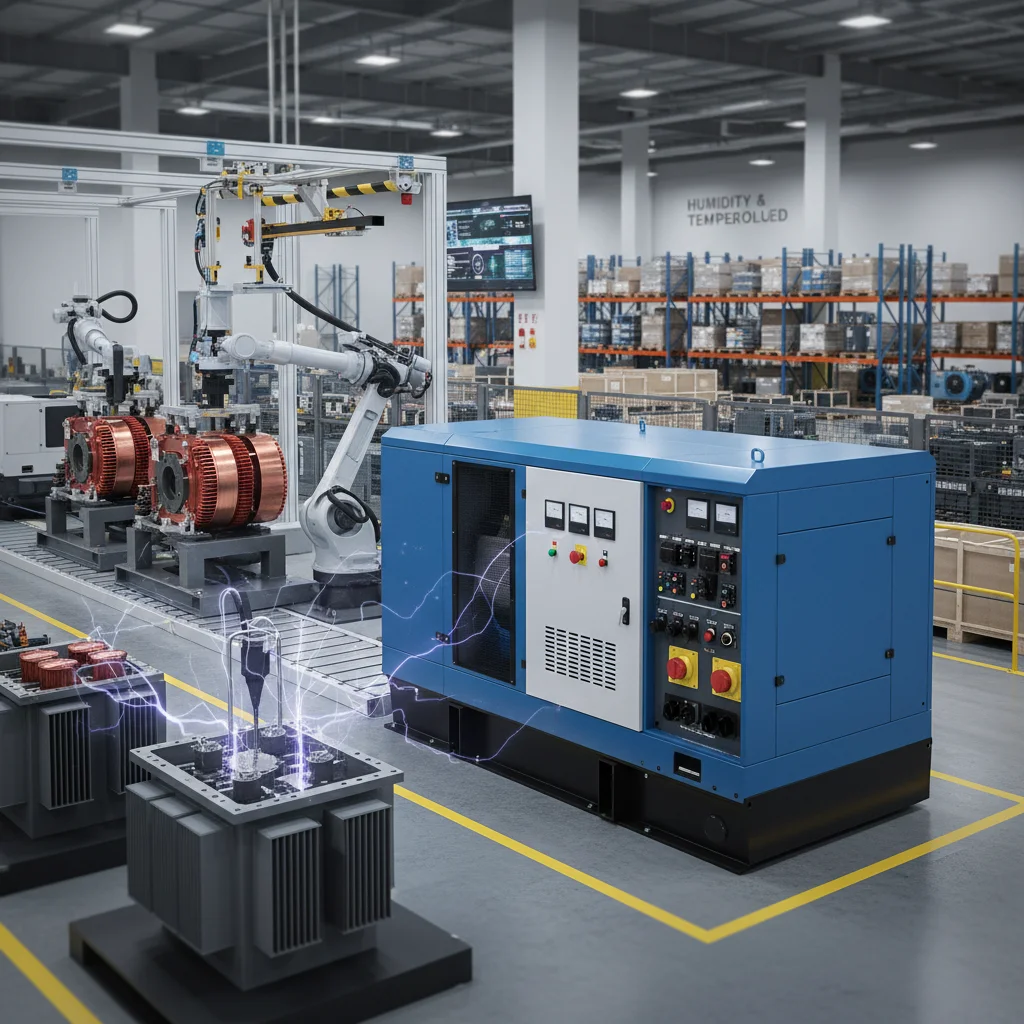
In the modern industrial landscape, the demand for flexible and high-capacity power solutions has led to the rise of the trailer generator Factory as a critical hub for engineering excellence. These facilities specialize in merging heavy-duty diesel power with mobile chassis, ensuring that critical infrastructure—from remote mining sites to emergency relief zones—remains operational regardless of the local grid's stability. Understanding the capabilities of a professional manufacturer is key to securing energy independence for complex projects.
The global shift toward modular energy has highlighted the importance of mobility and rapid deployment. A dedicated trailer generator Factory doesn't just assemble machines; it engineers integrated systems that prioritize acoustic attenuation, fuel efficiency, and structural integrity. By utilizing advanced materials and precision machining, these factories provide the backbone for industries that cannot afford a single second of downtime.
Ultimately, sourcing from a specialized trailer generator Factory allows enterprises to scale their power needs dynamically. Whether it is supporting a massive outdoor event or powering a remote telecommunications tower, the synergy of high-performance engines and mobile trailer design ensures that electricity is a tool for growth rather than a logistical bottleneck.

Global Industry Context of Trailer Generator Production
The global energy market is currently witnessing a surge in the requirement for decentralized power. According to industrial trends and ISO standards for power systems, the reliance on fixed grids is decreasing in favor of "power-on-demand" models. A trailer generator Factory addresses this by creating units that can be towed to any coordinate on a map, bridging the gap between energy production and remote consumption.
This shift is driven by the increasing volatility of climate events and the expansion of infrastructure into previously inaccessible regions. From the World Bank's perspective on electrification, mobile power units are essential for rapid economic development in emerging markets, providing the necessary wattage for temporary hospitals, construction sites, and mining operations where permanent cabling is financially unviable.
Defining the Modern Trailer Generator Factory
At its core, a trailer generator Factory is a specialized manufacturing facility that integrates high-output internal combustion engines with heavy-duty automotive chassis. Unlike standard generator assembly lines, these factories must master two distinct disciplines: the thermodynamics of power generation and the structural mechanics of road-legal transport. The result is a self-contained power station capable of sustaining high loads while remaining mobile.
In simple terms, these factories create a "power plant on wheels." This involves the precise installation of diesel or natural gas engines into sound-attenuated enclosures, which are then securely mounted onto reinforced trailers. This synergy is vital for humanitarian needs, such as providing immediate electricity to disaster-stricken areas where the local grid has completely collapsed, ensuring that life-saving equipment remains functional.
Furthermore, a professional trailer generator Factory emphasizes the "Silent" aspect of the design. By utilizing advanced acoustic foam and baffle systems, they ensure that the mobile units can operate in residential areas or near hospitals without exceeding strict noise pollution decibel limits, making them versatile tools for urban and rural use alike.
Core Components of Mobile Power Engineering
The durability of a unit from a trailer generator Factory begins with the engine block. Utilizing reinforced cast-iron and forged steel, as seen in the KC-SD series, ensures that the machine can withstand the vibrations of transport and the stress of continuous 24/7 operation in extreme temperatures.
Scalability is managed through modular design. A top-tier trailer generator Factory offers a range of capacities, from small mobile units for events to massive container-type diesel generators. This allows clients to expand their power capacity by simply adding more trailers to their fleet rather than overhauling their entire electrical architecture.
Finally, cost efficiency is achieved through intelligent fuel management. By integrating advanced turbocharging and smart injection systems, the trailer generator Factory minimizes the operational expenditure (OPEX) for the end-user, ensuring that the fuel-to-kilowatt ratio is optimized for long-term sustainability.
Strategic Applications Across Global Sectors
The application of products from a trailer generator Factory spans across almost every heavy industry. In remote industrial zones, such as the oil fields of the Middle East or the mines of Australia, these mobile units provide the primary power source for drilling rigs and processing plants. Their ability to be relocated quickly means that as the project site moves, the power source moves with it, eliminating the need for costly temporary wiring.
In post-disaster relief operations, the speed of deployment provided by a trailer generator Factory is a lifesaver. NGOs and government agencies utilize these units to power field hospitals, water purification systems, and communication hubs within hours of arriving on site. The ruggedized nature of the trailer ensures that these units can be towed across uneven terrain and deployed in wind, rain, or snow.
Performance Metrics by Trailer Generator Factory Design Type
Long-Term Value and Operational Advantages
The tangible benefits of investing in a high-quality trailer generator Factory solution include a dramatic reduction in initial CAPEX compared to permanent power installations. By opting for a mobile unit, companies avoid the prohibitive costs of land excavation and cable laying. Furthermore, the inherent flexibility allows these assets to be redeployed across multiple projects, maximizing the ROI over the equipment's lifecycle.
Beyond the numbers, there is a profound logical and emotional angle to this reliability: trust. When a project manager knows that a unit from a reputable trailer generator Factory is on site, they gain the peace of mind that their workforce is safe and their deadlines are secure. The integration of smart monitoring and AI-driven predictive maintenance ensures that failures are prevented before they occur, transforming power from a risk into a competitive advantage.
Future Innovations in Mobile Power Generation
The next generation of the trailer generator Factory is leaning heavily into "Green Energy" integration. We are seeing a rise in hybrid trailer systems that combine traditional diesel engines with large-scale battery storage and solar arrays. This allows the generator to run at optimal loads for shorter periods, charging the batteries for low-demand cycles, which drastically reduces carbon emissions and noise.
Digital transformation is also redefining how these machines are managed. Modern factories are incorporating cloud-based fleet analytics, allowing a single operator in a central office to monitor the fuel levels, engine health, and load distribution of a hundred trailers scattered across a continent. This IoT integration minimizes the need for physical inspections and optimizes fuel logistics.
Moreover, advances in materials science are leading to lighter, stronger trailers and more effective sound-dampening composites. A future trailer generator Factory will produce units that are not only more powerful but significantly lighter, allowing for faster transport and lower towing fuel costs without sacrificing the ruggedness required for industrial use.
Overcoming Common Challenges in Deployment
One of the primary challenges faced in the field is environmental degradation. Units operating in coastal regions face salt-spray corrosion, while those in the desert battle extreme heat and dust. To combat this, a leading trailer generator Factory implements marine-grade coatings and advanced air filtration systems that prevent contaminants from entering the combustion chamber.
Another common limitation is the complexity of international logistics and customs for heavy machinery. Expert factories solve this by providing comprehensive documentation, ensuring compliance with EU Stage V or EPA Tier 4 emission standards, and designing units that fit standard shipping dimensions. This seamless transition from factory to field is what separates a premium manufacturer from a basic assembly shop.
Lastly, load fluctuation can lead to engine wear. The solution provided by a modern trailer generator Factory is the implementation of precision Automatic Voltage Regulators (AVR) and electronic governing systems. These systems ensure that whether the load is 10% or 100%, the voltage remains stable, protecting sensitive digital equipment and extending the engine's service life.
Comparison Analysis of Trailer Generator Factory Technical Specifications
| Design Feature | Industrial Impact | Maintenance Level | Reliability Score (1-10) |
|---|
| Reinforced Cast-Iron Block | High Heat Tolerance | Low | 10 |
| Cloud-Based Monitoring | Remote Diagnostics | Medium | 9 |
| Silent Enclosure | Urban Compliance | Low | 8 |
| Dual-Fuel System | Fuel Flexibility | High | 7 |
| EPA Tier 4 Filtration | Eco-Compliance | Medium | 9 |
| Forged Steel Crankshaft | Mechanical Longevity | Very Low | 10 |
FAQS
A trailer generator Factory specializes in the integrated engineering of both the power unit and the mobile chassis. While a supplier might simply sell you a generator, a factory ensures that the unit is balanced for road transport, equipped with the correct axle load for local regulations, and features an enclosure specifically designed to withstand the vibrations and weather exposure associated with mobile deployment.
Yes, provided they are equipped with high-precision Automatic Voltage Regulators (AVR). Top-tier factories integrate electronic governing systems that minimize voltage spikes and frequency fluctuations, making these units ideal for powering servers, communication towers, and medical equipment in remote areas.
When sourcing from a trailer generator Factory, request certification for EPA Tier 4 or EU Stage V. Professional factories use DOC (Diesel Oxidation Catalyst) and SCR (Selective Catalytic Reduction) systems to meet these stringent requirements, allowing the units to be used in strictly regulated urban or environmental zones.
With proper maintenance, units built with industrial-grade reinforced cast-iron and forged steel can last 15-20 years. The key is adhering to the service intervals provided by the factory and using genuine parts to maintain the efficiency of the combustion chamber and cooling system.
Absolutely. A specialized factory can offer customization options such as off-road tires, heavy-duty suspension for mining sites, or reinforced chassis for coastal environments. They can also modify the enclosure for dual-fuel capability or add extra fuel tanks for extended autonomous operation.
It reduces the need for manual site visits and prevents catastrophic failures through predictive maintenance. By analyzing real-time data on temperature and load, the system can alert you to a potential issue before the engine fails, saving thousands of dollars in emergency repairs and preventing costly project downtime.
Conclusion
In summary, the role of a professional trailer generator Factory extends far beyond simple manufacturing; it is about providing a reliable, mobile, and scalable energy lifeline for the world's most demanding environments. By combining rugged materials like reinforced cast-iron with cutting-edge IoT monitoring and strict emission compliance, these facilities ensure that power is no longer a stationary luxury but a mobile utility.
Looking ahead, the integration of hybrid power and AI-driven management will further enhance the efficiency and sustainability of mobile energy. For businesses and organizations aiming to future-proof their operations, partnering with a manufacturer that prioritizes both mechanical durability and digital intelligence is the most strategic path forward. Visit our website: www.dbddg.com