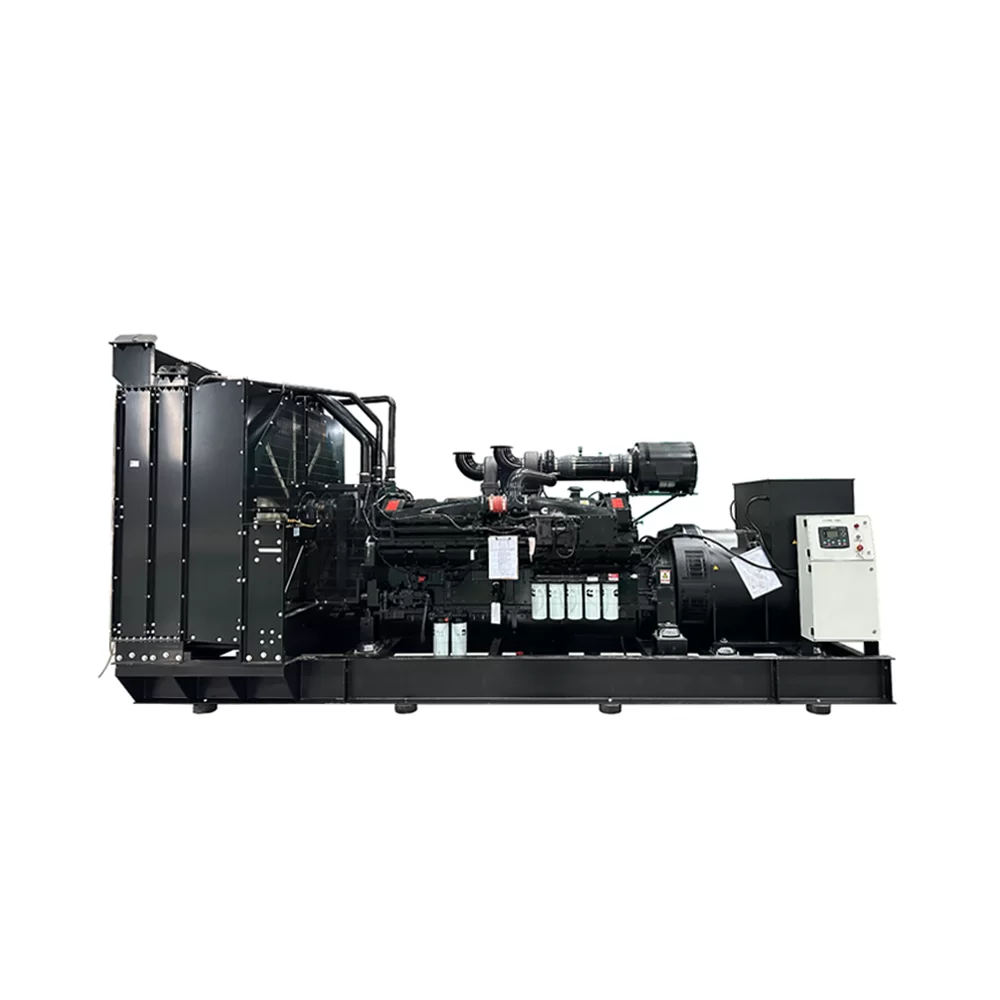
Dianbida Power Equipment (Jiangsu) Co., Ltd. participated in the commissioning project of two Yuchai 200kW diesel generator sets at Tianjin First People's Hospital. This project highlights the importance of dependable backup power solutions in healthcare facilities, where electricity is essential for maintaining daily operations, supporting medical equipment, and ensuring a stable environment for patients and medical professionals.
Hospitals rely on continuous electrical power to support a wide range of critical systems, including medical equipment, lighting, ventilation, communication networks, and other essential infrastructure. An unexpected power interruption can create significant operational challenges, making reliable standby power an important part of hospital infrastructure planning.
With more than 20 years of experience in the power generation industry, Dianbida Power Equipment provides diesel generator sets and customized power solutions for healthcare, telecommunications, construction, manufacturing, data centers, and commercial facilities. The commissioning of two Yuchai 200kW generator sets at Tianjin First People's Hospital demonstrates the company's involvement in practical power generation projects and its commitment to dependable equipment performance.

Healthcare facilities have demanding power requirements. Unlike many commercial applications, hospitals must maintain essential services even when the main electrical supply becomes unavailable. A dependable standby power system helps reduce the risk of operational interruptions and supports the continuity of critical hospital functions.
For this project, two Yuchai 200kW diesel generator sets were installed and commissioned at Tianjin First People's Hospital. With a rated power of 200kW per unit, the generators provide a combined nominal capacity of 400kW. The actual available backup capacity depends on the system configuration, load distribution, operating conditions, and applicable power ratings.
The project focused on commissioning the generator units to support reliable operation within the hospital's power infrastructure. Proper commissioning is an important stage in the deployment of diesel generator equipment because it helps verify equipment condition, operating parameters, and readiness for service.
In healthcare environments, attention to generator performance, electrical connections, operating stability, and maintenance accessibility is particularly important. These factors contribute to a more dependable backup power arrangement and help facility operators prepare for potential utility supply interruptions.
Dianbida Power Equipment's project involved two Yuchai 200kW diesel generator sets. Yuchai is a recognized engine manufacturer, and its engines are widely used in power generation and other industrial applications.
Diesel generator sets are valued for their ability to provide independent electrical power when connected to an appropriate fuel supply and installed with the required electrical and exhaust systems. For hospitals and other facilities with demanding power requirements, properly selected generator equipment can form an important part of a comprehensive emergency power strategy.
The two-unit configuration provides a nominal installed capacity of 400kW across the generator sets. Depending on the final electrical design, generator arrangement, and load management strategy, a two-unit system may offer flexibility in allocating loads and planning equipment operation. Whether the units operate independently, in an alternating arrangement, or in parallel depends on the specified control system and project design.
Selecting suitable generator equipment involves more than comparing rated power. Important considerations include the characteristics of connected loads, starting currents, expected operating duration, fuel arrangements, installation conditions, ventilation, exhaust discharge, noise control, and maintenance requirements.
Dianbida Power Equipment understands that different applications require different power solutions. Its product portfolio includes standard diesel generator sets, silent canopy generators, automatic generator systems, and parallel generator solutions. This range enables the company to support different project requirements while maintaining a focus on equipment quality and practical application needs.
Generator commissioning is an essential step between equipment installation and operational use. It helps confirm that the generator sets and associated systems have been installed appropriately and can operate according to the applicable project requirements.
For a project involving two 200kW generator sets, commissioning considerations generally include the following activities, subject to the actual project scope and commissioning records.
Before starting the generator sets, the equipment and installation should be inspected. Typical checks include verifying the generator model and rated capacity, examining visible components, checking mounting and connections, and confirming that the installation meets the relevant technical requirements.
Fuel supply, lubrication, cooling, ventilation, and exhaust arrangements should also be reviewed as applicable. These checks help identify potential installation issues before operational testing begins.
Electrical inspection is important for confirming that the generator sets are properly connected to the intended electrical system. Relevant checks may include cable connections, grounding, control wiring, protection devices, and monitoring instruments.
Where automatic transfer equipment or a parallel control system is included in the project design, the associated controls and interlocking arrangements should be checked in accordance with the approved procedures.
Initial startup allows technicians to observe generator operation and identify any abnormal conditions. Typical commissioning checks may include starting performance, engine operation, instrument readings, cooling performance, lubrication pressure, and signs of fuel or oil leakage.
Operating parameters should be assessed against the engine and generator manufacturer's specifications. Any abnormal readings or operating conditions should be investigated and addressed before the equipment is accepted for service.
Where required by the project specification, load testing can help evaluate generator performance under representative operating conditions. Testing may assess voltage and frequency stability, load response, and the operation of relevant protection and monitoring functions.
For hospital applications, the test plan should reflect the intended operating configuration and applicable electrical safety requirements. The actual tests completed, their results, and any acceptance criteria should be documented in the commissioning records.
After the required checks and tests have been completed, the commissioning team can review the results, address outstanding issues, and prepare the equipment for handover according to the project requirements.
Operating instructions, routine inspection procedures, maintenance schedules, and emergency response arrangements are important for supporting long-term equipment reliability.
The specific activities performed at Tianjin First People's Hospital should be confirmed against the project's actual commissioning documentation.
A stable backup power arrangement is an important component of healthcare infrastructure. Hospitals operate equipment and services that may require dependable electricity throughout the day and night, making power continuity a key consideration in facility management.
Properly selected and maintained diesel generator sets can help support essential electrical loads during utility interruptions. Their effectiveness depends on correct system design, suitable equipment capacity, fuel availability, regular maintenance, and periodic testing.
A two-unit generator arrangement can also provide operational flexibility when supported by an appropriate system design. However, the level of redundancy available depends on how the generators are connected, how loads are distributed, and whether the remaining unit can support the required loads if one unit is unavailable.
For healthcare projects, generator commissioning should therefore be considered part of a broader reliability strategy that includes electrical system design, transfer equipment, maintenance planning, and emergency operating procedures.
Dianbida Power Equipment (Jiangsu) Co., Ltd. has more than two decades of experience in the power generation industry. The company focuses on the design, manufacturing, and supply of diesel generator sets for customers across multiple industries.
Supported by a team of more than 200 professionals, Dianbida brings together engineering expertise, production capabilities, quality control, and customer support. Its experience covers a range of generator configurations designed to meet different power demands and installation requirements.
The company's product range includes standard diesel generators, silent and super-silent canopy units, automatic generator sets, and parallel power generation systems. These solutions can serve applications in healthcare, telecommunications, construction, data centers, manufacturing, and commercial facilities.
Quality control is an important part of generator manufacturing. Appropriate component selection, production inspection, and performance testing help ensure that equipment meets its specified requirements before delivery. Equally important is understanding the operating environment in which the equipment will be used.
For projects involving hospitals and other facilities with critical power requirements, Dianbida emphasizes practical equipment selection, dependable manufacturing, and solutions tailored to customer needs.
The commissioning project involving two Yuchai 200kW diesel generator sets at Tianjin First People's Hospital illustrates the role of dependable generator equipment in healthcare power infrastructure. With a combined nominal capacity of 400kW, the two units provide the foundation for a backup power arrangement designed around the hospital's electrical requirements.
Successful generator commissioning requires careful inspection, appropriate electrical integration, operational verification, and compliance with the applicable project specifications. These steps help prepare equipment for service and establish a foundation for ongoing inspection and maintenance.
With over 20 years of industry experience and a workforce of more than 200 professionals, Dianbida Power Equipment (Jiangsu) Co., Ltd. continues to provide diesel generator solutions for a broad range of industrial and commercial applications.
From healthcare facilities to manufacturing plants and data centers, Dianbida aims to help customers build dependable power systems that support operational continuity and long-term performance.
Looking for a reliable diesel generator solution for your next project? Contact Dianbida Power Equipment to discuss your power requirements, generator capacity, installation conditions, and customized equipment options.
Hit enter to search or ESC to close